
Still Life Oil Painting - Tomatoes
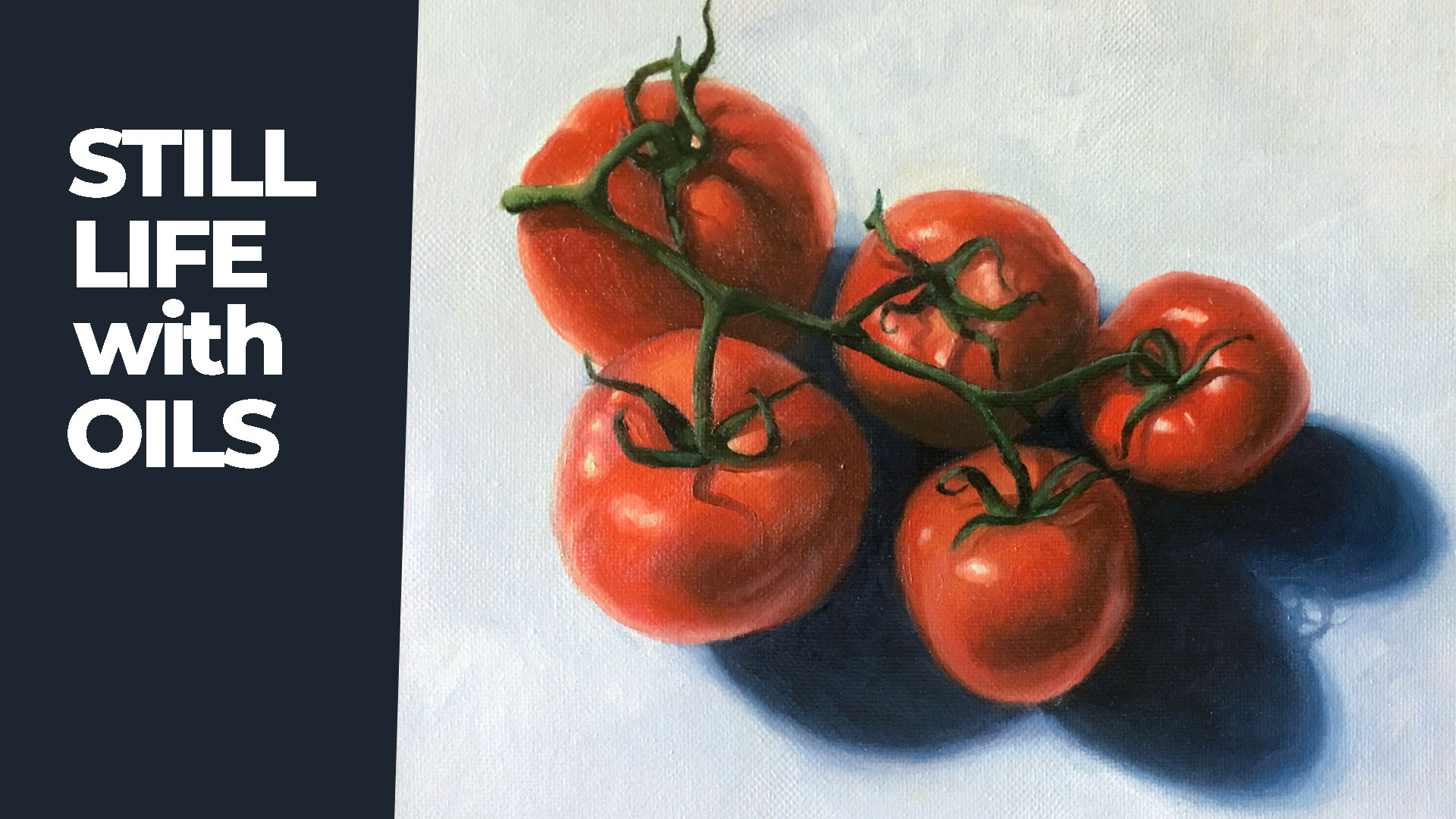

About This Lesson Series...
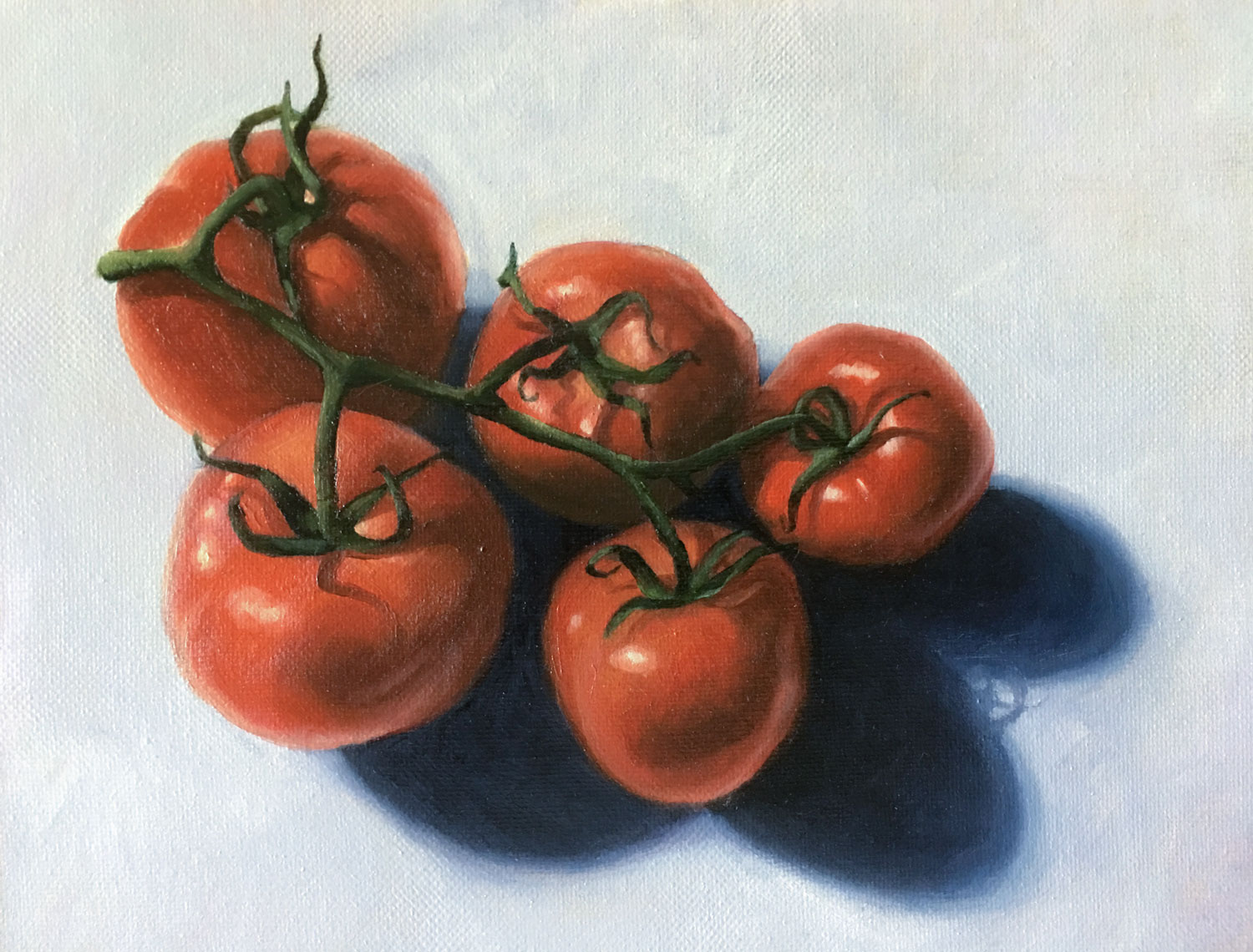
This lesson series is a rich and structured exploration of how to paint a fresh, vibrant still life using traditional oil paints. Across multiple lessons, students are guided step by step from planning and composition through color application, value structure, and refined detail. This series focuses on fundamental oil painting principles — such as accurate observation, controlled layering, color mixing, and subtle textural variation — while teaching you how to capture the juicy vibrancy and form of tomatoes within a still life scene. Whether you are new to oil painting or looking to refine your technique, this series offers clear instruction and practical insight into portraying both object and atmosphere successfully.
Planning the Composition
The series opens with an emphasis on planning and setting up the still life. You’ll learn how to choose a compelling arrangement, position your light source for maximum impact, and consider how various elements interact within the composition. Establishing a strong foundation before any paint touches the surface helps ensure that the final work feels balanced and intentional. Students are encouraged to observe not only shapes and edges, but also the interplay of light and shadow that defines the volume of each tomato and the surrounding objects.
Understanding Materials and Color Mixing
Before beginning the painting itself, the instructor discusses the essential materials and color mixing strategies specific to oil paints. This includes selecting brushes, understanding paint handling, and preparing your palette to mix accurate hues. You’ll learn how to create vibrant tomato tones while maintaining color harmony across the scene, including subtle shifts in temperature that give the composition a natural, lifelike feel. Effective color mixing is one of the most valuable skills in oil painting, and this series makes it approachable and practical.
Blocking in Values and Underpainting
With the setup complete, the lesson transitions into blocking in values and establishing an underpainting. Using a monochromatic or limited palette, you’ll map out the major areas of light and dark to build a value structure that supports the entire painting. This stage helps clarify form and depth early in the process, allowing subsequent color layers to read more confidently and consistently. A well-developed underpainting enhances dimensionality and gives your composition a strong foundational rhythm.
Applying Local Color and Harmony
Once the value foundation is in place, students begin applying local color — the specific hues of each tomato, bowl, and surrounding surface. The instructor demonstrates techniques for layering paint to achieve rich, saturated color while preserving the integrity of the underpainting. You’ll learn how to adjust colors subtly to reflect the nuances of light and shadow, and how reflective surfaces in the still life environment can influence overall harmony. By taking a methodical approach to building color, you ensure that each layer contributes to a cohesive, luminous effect.
Refining Detail and Texture
As the series progresses, attention shifts to refining details and capturing the tactile qualities of the tomatoes, stems, and supporting elements. You’ll explore how to suggest surface texture — from smooth tomato skins to the soft curves of leaves — through controlled brushwork, value shifts, and small accents of highlight. This stage also covers edge control, helping you determine where to sharpen details and where to soften transitions for maximum visual impact.
Final Touches and Unity
In the final lessons, students focus on polishing the painting and bringing all components into harmony. Subtle adjustments in contrast, color temperature, and edge quality help unify the composition. By intensifying key highlights and carefully balancing shadow regions, your finished painting will feel both complete and compelling. When the series concludes, you’ll not only have a finished still life of tomatoes but also a deeper understanding of how oil painting techniques come together to create depth, color harmony, and visual richness.
Here's what you'll need...
- Oil Paints
- Stretched and Primed Canvas
- Bristle Brushes
- Medium of Choice

Founder of The Virtual Instructor, artist and teacher. Matt makes learning art easy to understand and enjoyable.
This part #4 was a good learning for me in terms of the use of warmer & cooler and the development of form. Noticed immediately the two right side tomatoes were no longer “floating in space” and it was very instructive to watch how you made that happen with the others.
can you list the paint colors used in this cours