
Field of Flowers with Pastels

About This Lesson Series...
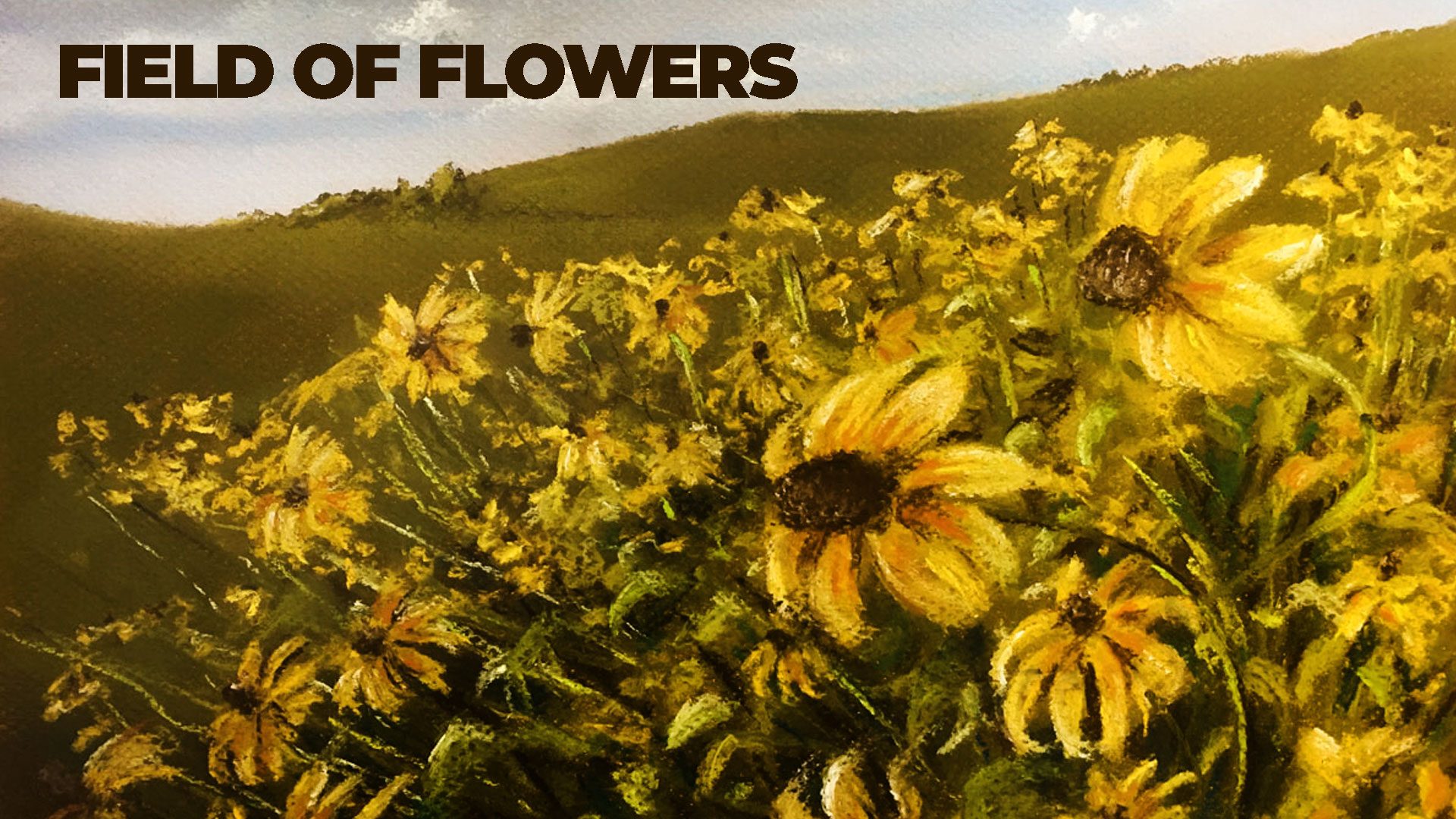
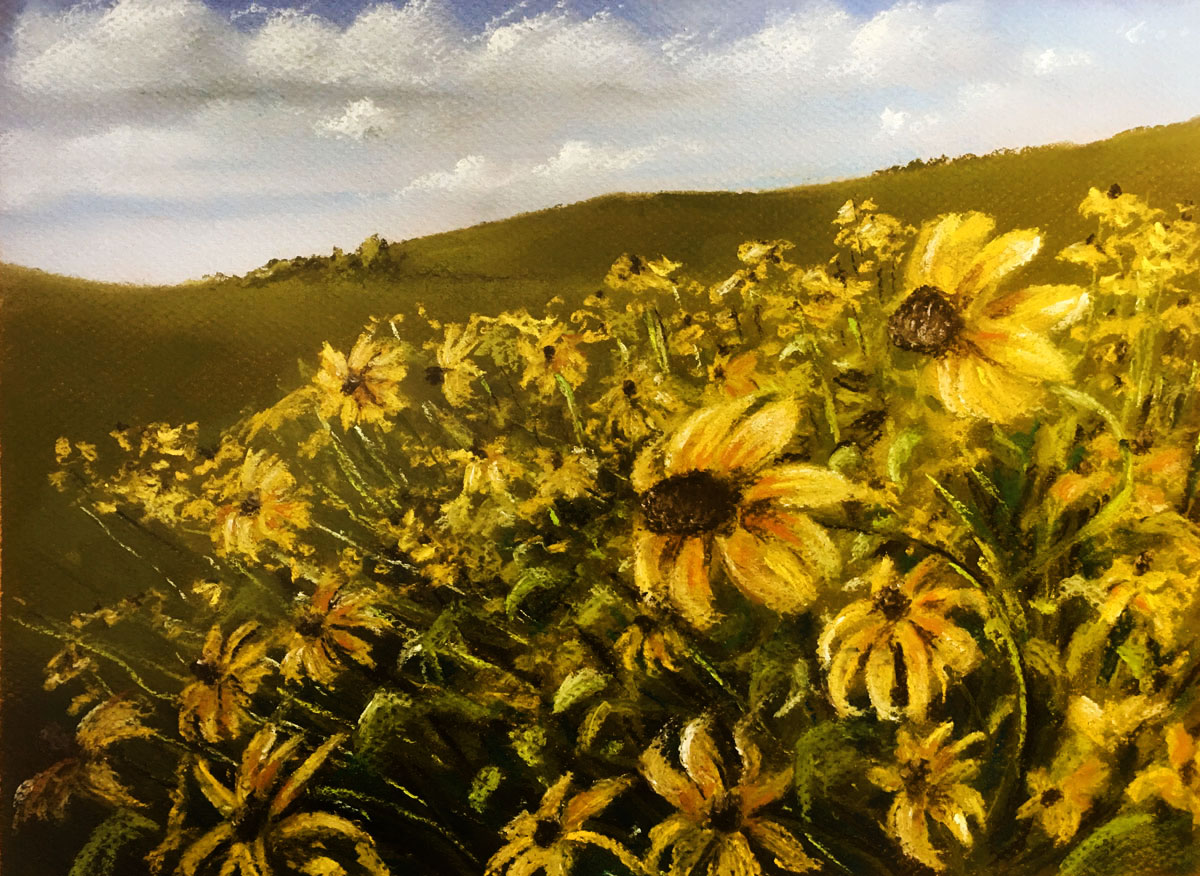
In this engaging lesson series, Matt leads students through the creation of a beautiful pastel landscape featuring a field of vibrant yellow flowers. Working with soft pastels on toned paper, this class focuses on capturing the energy and atmosphere of a natural scene while developing essential pastel techniques. With a relaxed, painterly approach, students learn how to balance color, value, and mark-making to produce a landscape that feels both lively and dimensional.
A Painterly Approach to Pastels
This three-part series includes over three hours of instruction and emphasizes a looser, more expressive method of working with pastels. Rather than focusing on tight detail from the start, students are encouraged to think in terms of shapes, color masses, and overall composition. This approach allows the drawing to develop organically while maintaining a sense of spontaneity and movement.
Matt demonstrates how pastels can be handled much like paint—layered and blended to create rich, dynamic surfaces. This mindset helps students move beyond rigid drawing habits and embrace a more artistic, interpretive style.
Establishing Depth and Space
A key focus of the lesson is creating the illusion of depth within the landscape. Students begin by blocking in the larger shapes of the composition, paying close attention to the placement of the horizon, the field of flowers, and the surrounding environment. By organizing the scene into background, middle ground, and foreground, a strong sense of space is established early in the process.
Through careful layering and value control, students learn how to push areas back into the distance or bring them forward. Softer edges and lighter values suggest atmospheric distance, while stronger contrasts and sharper marks in the foreground help anchor the composition.
Layering Color for Vibrancy
One of the most exciting aspects of this class is the use of color to bring the landscape to life. Students explore how to layer multiple hues to create the rich yellows of the flowers, along with the greens and earth tones that surround them. Instead of relying on a single color, Matt demonstrates how combining subtle variations results in a more natural and visually interesting surface.
The layering process also allows for adjustments and refinements as the drawing develops. By building color gradually, students gain greater control over their work while achieving a depth of color that feels luminous and alive.
Creating Texture with Mark-Making
Texture plays a crucial role in conveying the character of the landscape. Students learn how to use different strokes and applications of pastel to suggest the delicate forms of flowers, the softness of grass, and the variation within the field. Rather than drawing each flower individually, Matt shows how to imply detail through strategic marks and color contrasts.
This technique not only saves time but also enhances the overall impression of the scene, allowing the viewer to experience the landscape as a whole rather than focusing on isolated details.
Finishing with Balance and Harmony
As the drawing nears completion, attention turns to refining the composition and ensuring visual harmony. Students learn how to adjust values, enhance focal areas, and unify the image through subtle color adjustments. This final stage brings all of the elements together, resulting in a cohesive and polished pastel landscape.
Build Confidence with Pastel Landscapes
This lesson series is ideal for artists who want to explore a more expressive approach to landscape drawing with pastels. By the end of the class, students will have created a vibrant field of yellow flowers while developing a stronger understanding of layering, depth, and color relationships.
Whether you are new to pastels or looking to loosen up your technique, this class provides the tools and guidance needed to create landscapes that are both dynamic and visually compelling.
Here's what you'll need...
- Toned Pastel Paper
- Soft Pastels

Founder of The Virtual Instructor, artist and teacher. Matt makes learning art easy to understand and enjoyable.
Because I am diabetic and test 4 or 5 times a day, the ends of my fingers have become very rough. Consequently when I blend, I automatically also get texture…neat heh but not recommended as a method. Maybe that’s why I like pastels so much.
Gail
I don’t know what kind of camera you use to film but it would be a great help if you could lock your focus so that it didn’t try and refocus when you move your hands…
This is a beautiful picture, Matt! I too love pastels and how they look so much like a painting. Another great lesson! I could watch you paint and draw all day