
Dancer with Oil Pastels

About This Lesson Series...
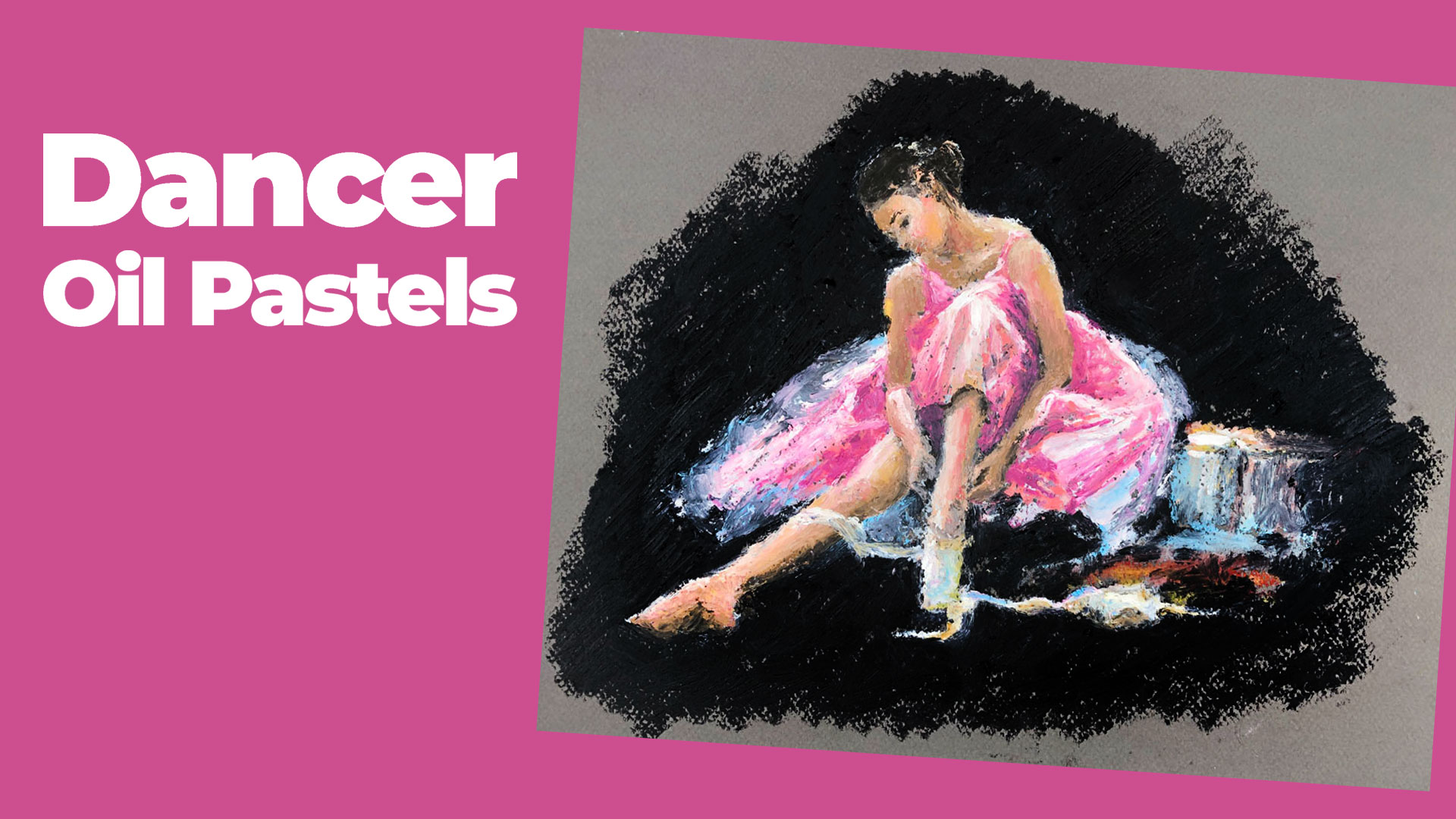
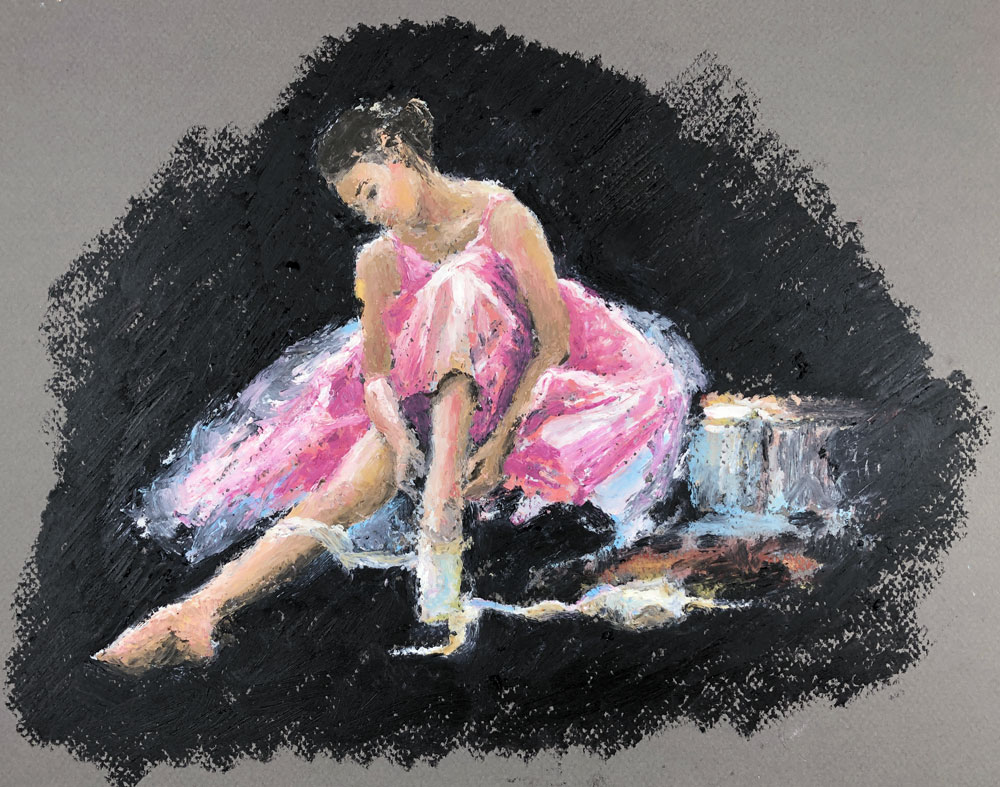
The Figure Drawing with Oil Pastels lesson series is a dynamic and inspiring exploration of drawing the human form using oil pastels, focusing on a dancer as the primary subject. Across multiple lessons, students learn how to translate movement, anatomy, and expressive gesture into vibrant color and layered pastel confidence. This series emphasizes careful observation, anatomical proportion, dynamic line, and the rich layering capabilities of oil pastels, all woven together to create a striking and energetic figure drawing that captures both form and motion.
Observation and Gesture
The series begins with a focus on observation and gesture — the foundation of any strong figure drawing. Students are encouraged to look beyond static shapes and see the overall flow of the dancer’s pose, understanding how weight shifts, how limbs align, and how the body expresses energy through posture. By studying gesture first, artists learn how to capture the rhythm and life of the figure rather than merely copying an outline. This prepares students to use oil pastels with intention and fluidity, capturing dynamic motion early in the process.
Establishing Proportion and Structure
Once gesture is understood, the next stage involves establishing accurate proportion and structure. Using light and confident strokes, students begin to map out the major forms of the dancer’s body — the torso, hips, shoulders, limbs, and head — ensuring that each part relates correctly to the whole. This skeletal framework acts as a road map for tonal and color development, allowing the form to feel grounded and anatomically believable before deeper pastel work begins.
Building Color Foundations
With the structure established, students begin layering oil pastels to build a foundation of color. At this stage, emphasis is placed on selecting hues that support the natural nuances of skin, shadow, and clothing, while also taking artistic liberties where color can enhance form and light. By starting with midtones and progressively incorporating highlights and shadows, the drawing begins to gain weight and presence. Oil pastels’ buttery texture allows for rich layering that develops complexity and visual interest as the drawing unfolds.
Developing Form and Volume
As the series progresses, the focus shifts to developing form and volume through thoughtful layering and mark-making. Students learn how to use varied pastel pressure and directional strokes to suggest muscle contours, joint definition, and the curvature of the figure. The instructor demonstrates how to use light and shadow to model the body in space, giving the drawing a three-dimensional quality. Attention to how light wraps around surfaces helps anchor the figure and suggest depth, making the dancer feel present and alive.
Gesture and Movement Detail
A key component of the series is capturing the expressive qualities of movement. Oil pastels lend themselves to energized marks and fluid transitions that enhance the sense of motion inherent in dance. Students explore how varied strokes and thoughtful color shifts can communicate rhythm, weight transfer, and dynamic posture — elevating the drawing beyond static representation toward expressive storytelling.
Refining and Enhancing the Drawing
In the final lessons, students refine edges, deepen shadow contrast, and enhance highlights to bring clarity and focus to the drawing. Fine details such as facial features, fingers, and clothing accents are thoughtfully developed, while overall harmony is assessed and improved. By the end of the Figure Drawing with Oil Pastels series, students will have completed a vibrant and expressive pastel drawing of a dancer, having strengthened their understanding of anatomy, movement, color layering, and expressive mark-making with oil pastels.
Here's what you'll need...
- Canson Mi-Teintes Pastel Paper
- Oil Pastels

Founder of The Virtual Instructor, artist and teacher. Matt makes learning art easy to understand and enjoyable.
hi Matt, I’ve used oil pastels on and off for quite some time. I loved the thought of using them again and the reference photo, would this be ok to share on social media of my drawing? I’m highly sensitive to turpenoid myself. I don’t have the Canson Mi tientes at the moment but I do have Fabriano Tiziano Pastel paper at the moment, I generally draw more tight and neat lol especially as I’ve been doing a lot of realism especially practising with coloured pencil. I have Mungyo for Artists oil pastels.
I’d love to own some Sennelier oil pastels one day, definitely on my list.
Worth every penny!!
Is there a way to quick way to find a link to courses and activities that I’m working on or have completed?
Hi Maria,
We currently don’t have something like this in place yet. This requires tracking you with snippets of code called cookies. We may implement something like this in the future.
Thanks Matt
I’ve got round it at the moment by sharing the link into each section I try into my iphone notes page. Working well. I see how cookies are to be avoided. I’m new to painting and really enjoying your courses. Thanks M
I was wondering the same thing Maria. Thanks for sharing your work around.
Did you use the colorless blender?
Missed blending with turpenroid!
Hello Matt, i am a new artist and i dont have the right skin-tone oil pastel colours as the Junior Cray-Pas oil pastels only have one skin-tone colour. Will my drawing still look okay if i only use that one colour? What should i do?
Hello Matt, i am a new artist and i dont have the right skin-tone oil pastel colours as the Junior Cray-Pas oil pastels only have one skin-tone colour. Will my drawing still look okay if i only use that one colour? What should i do?
Hi Eugene,
You can adjust that color with browns, reds, yellows, and white. This will add more variety and make the drawing appear more natural.
Thank you, I have adjusted my drawing and it looks much better now!
Just finished watching part I…..you are a great teacher Matt….I very much enjoy all of your lessons!
Thanks Karen!
Hi Matt, just finished this complete exercise. The result is of course not as beautiful as yours but I learnt a lot and truly enjoyed the lesson. I like a lot your approach to teaching and that you are quite relaxed during the process, laughing and explaining, natural and having a good time. Thanks for that. I love oil pastels, i’m learning.
I find the sennelier oil pastels difficult to handle. Any tips?
Hi Carla,
The Sennelier oil pastels are very soft. You may try the Cray Pas oil pastels by Sakura. They are a bit harder and easier to control.
Hi
Would pan pastels work for this please?
Shaz