
The Acrylic Painting Starter Series

Lessons
About This Lesson Series...
This acrylic painting series is designed to introduce beginners to the exciting and versatile world of acrylic painting through easy-to-follow lessons and practical demonstrations. Instructor Matt guides students step by step through the essential materials, techniques, and concepts needed to build confidence with acrylics. From understanding paints and surfaces to mastering brushwork, color mixing, layering, and texture, each lesson is carefully structured to help students develop their skills while creating successful paintings along the way. Whether you are completely new to painting or looking to strengthen your foundation, this series provides a supportive and approachable path into acrylic painting.
Lesson One - Introduction to Acrylic Painting Materials
In the first lesson of this beginner acrylic painting series, instructor Matt introduces the essential materials and tools needed to get started with acrylic painting. Designed specifically for beginners, this lesson provides a solid foundation for understanding how acrylic paints behave and how to choose the right supplies for success.
Understanding the Properties of Acrylic Paints
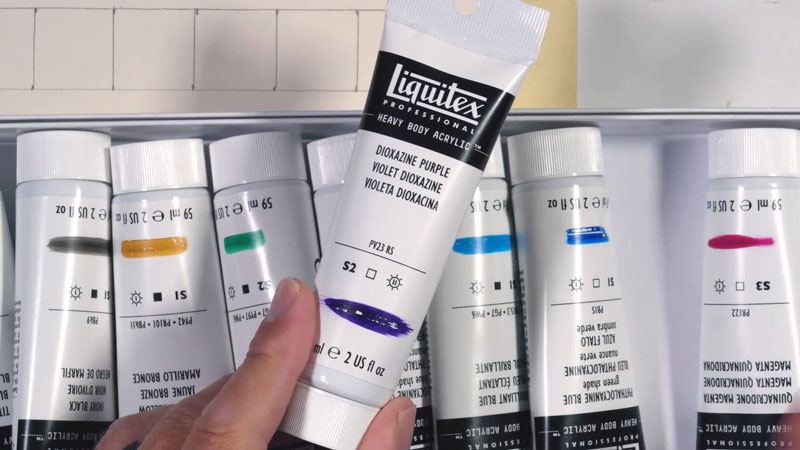
Matt begins by exploring the unique properties of acrylic paints, including their fast drying time, versatility, and vibrant color capabilities. Students will learn how acrylics can be applied in both thin transparent layers and thick painterly applications, making them one of the most flexible painting mediums available. Matt also discusses the advantages of acrylics for beginners, including easy cleanup and quick layering techniques.
Choosing the Right Painting Surface
Selecting an appropriate surface is an important part of the painting process. In this lesson, Matt compares several common surfaces used for acrylic painting, including stretched canvas, wood panels, and canvas paper. He explains the strengths of each option, how they affect the painting experience, and which surfaces are ideal for practice versus finished artwork.
Brushes for Acrylic Painting
Students are also introduced to nylon brushes and how they perform with acrylic paint. Matt explains the different brush shapes and sizes commonly used in acrylic painting and demonstrates how synthetic nylon bristles provide durability and control when working with fast-drying paints.
Using Acrylic Mediums
To finish the lesson, Matt discusses fluid and gel mediums that can be mixed with acrylic paints to improve handling and application. Students will discover how these mediums can extend drying time, improve flow, create texture, and make blending easier. By understanding how mediums work, beginners can gain greater control and confidence while painting.
This introductory lesson gives students the knowledge they need to confidently prepare their materials and begin their acrylic painting journey.
Lesson Two - Understanding Value with Acrylic Paint
In this lesson, instructor Matt guides students through one of the most important foundations of painting—understanding value. Using acrylic paint, students will learn how to create a smooth and effective value scale by gradually transitioning from dark values to light values. This exercise helps artists develop greater control over paint mixing while building a stronger understanding of light and shadow.
Matt explains how value influences the illusion of form, depth, and realism in a painting. By carefully observing subtle changes in tone, students gain the skills needed to create more convincing subjects and stronger compositions. Throughout the demonstration, Matt shares practical tips for mixing consistent values and applying acrylic paint with confidence.
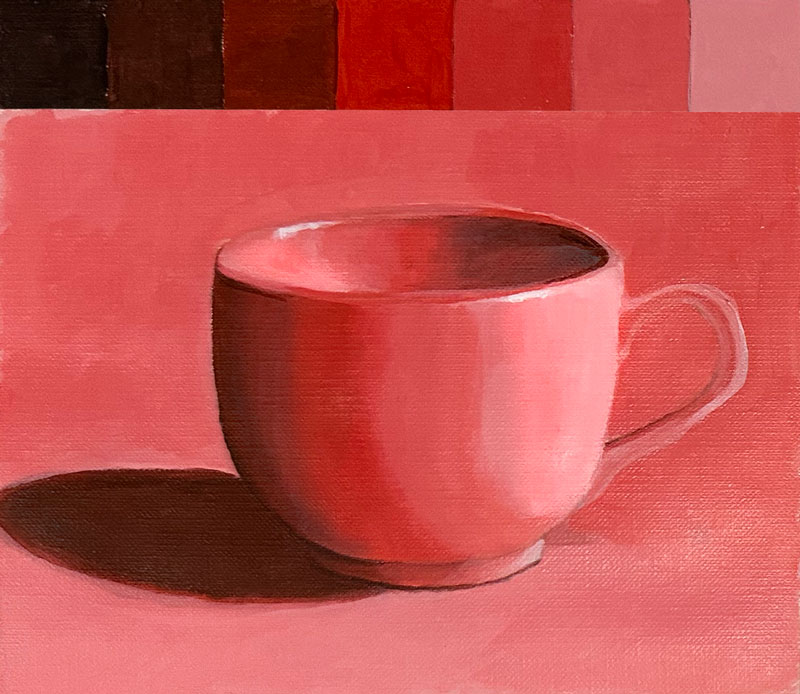
After completing the value scale exercise, students will apply what they have learned in a painting of a simple tea cup. Using the value scale as a reference, artists will focus on identifying highlights, midtones, cast shadows, and reflected light to create the illusion of three-dimensional form. This project is designed to strengthen observational skills while reinforcing the relationship between light and value.
Lesson Three and Four - Monochromatic Painting with Acrylic Paint
This lesson is perfect for beginners and intermediate artists looking to improve their acrylic painting techniques and gain a deeper understanding of value.
In this series of lessons, Matt guides students step by step through the process of creating an acrylic painting of a tea cup using a monochromatic color scheme. Students begin by learning how a single color can be expanded into a full range of values by mixing tints, tones, and shades. Matt demonstrates how to choose a base color, prepare a palette, and organize light, middle, and dark values before painting begins.
Building the Painting
Students then sketch the tea cup lightly onto canvas, paying attention to proportion, shape, and placement. Matt explains how to simplify the subject into basic forms and use value contrast to create the illusion of depth. Through guided demonstrations, students block in the background, establish shadows, and gradually develop the cup’s curved surface.
Finishing Details
As the painting progresses, Matt helps students refine edges, add highlights, strengthen shadows, and create a balanced composition. By the end of the series, students understand how monochromatic painting can produce mood, dimension, and visual unity while building confidence with acrylic techniques.
Lesson Five Through Eight - Pear on a Wooden Table
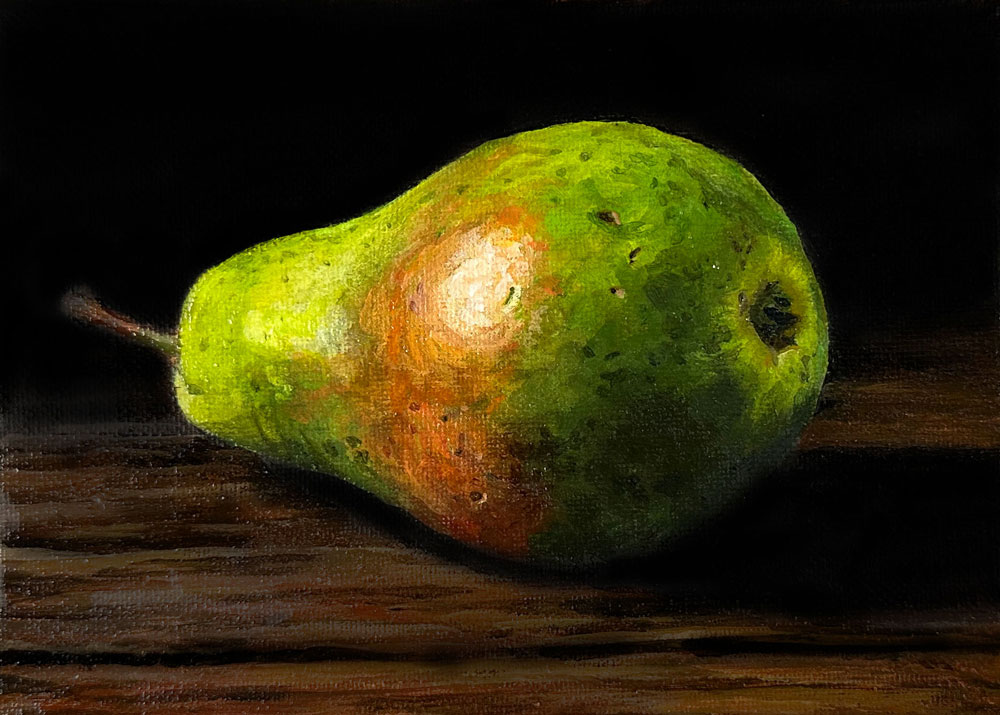
In this acrylic painting lesson series, artist and instructor Matt leads students through the creation of a colorful still life painting featuring a pear resting on a wooden table. This approachable project is designed to help students strengthen their understanding of acrylic painting while focusing on essential skills such as color mixing, layering, value development, and brush control. The simple subject provides the perfect opportunity to slow down and study how light, color, and texture work together in a finished painting.
Building a Strong Foundation
The series begins with planning the composition and establishing the basic shapes of the pear and table. Matt explains how to simplify the subject into manageable forms before paint is applied. Students learn how the placement of the pear, the direction of the light source, and the surrounding negative space all contribute to a stronger composition. This early stage helps create a solid structure for the painting and ensures that the final image feels balanced and intentional.
Color Mixing with Acrylics
Color mixing is an important focus throughout the series. Students learn how to mix natural greens, yellows, warm browns, and subtle shadow colors to create a believable pear and wooden surface. Matt demonstrates how small adjustments in value and color temperature can make a big difference in the realism of the painting. Rather than using colors straight from the tube, students are encouraged to mix thoughtful variations that reflect the effects of light and shadow.
Creating Form and Texture
As the painting develops, students build form through layered applications of acrylic paint. The rounded pear is modeled with highlights, midtones, and shadows, while the wooden table is developed with directional brushstrokes and color shifts that suggest grain and surface texture. Matt shows how acrylics can be layered efficiently to refine edges, strengthen contrast, and create depth.
A Complete Acrylic Still Life Experience
By the end of the series, students will have completed a finished acrylic still life while gaining practical experience with color mixing, composition, value, and texture. This project provides a strong foundation for future acrylic paintings and helps students develop greater confidence with the medium.
Specific Lessons
Lesson 1 (1:09:45)
In lesson one, we discuss the materials and surfaces for acrylic paints, along with fluid and gel mediums and the unique characteristics of this painting medium.
Lesson 2 (1:11:32)
In lesson two, we discuss the element of art, value, and create a value scale which will be used in a future painting.
Lesson 3 (1:11:34)
In lesson three, we begin painting a monochromatic painting of a tea cup with acrylic paints.
Lesson 4 (1:27:27)
In lesson four, we complete the monochromatic painting of a tea cup with acrylic paints.
Lesson 5 (1:11:05)
In lesson five, we begin a new painting - a pear on a table. In this lesson, we draw the subject, prepare the surface, and begin applying fields of color and value.
Lesson 6 (1:17:35)
In lesson six, we continue painting the pear by layering additional colors and values, gradually developing the form and adjusting the color.
Lesson 7 (1:18:56)
In lesson seven, we begin developing the texture on the pear while continuing to adjust values and colors.
Lesson 8 (1:26:56)
In lesson eight, we complete the painting of a pear by finishing the stem and adding the wooden table surface.
Resources for this Lesson...
Distributing any content downloaded from this site is strictly prohibited and against the terms and conditions of use.
References
LESSON TWO THROUGH FOUR- MONOCHROMATIC PAINTING
LESSON FIVE THROUGH EIGHT - PEAR
Here's what you'll need...
- Canvas Paper
- Liquitex Heavy Body Acrylics
- 5" by 7" Stretched Canvas
- Assorted Nylon Brushes
- Fluid Matte Medium
(Disclosure: Links to art materials are affiliate links which means we make a small commission if you purchase at no additional cost to you.)

Founder of The Virtual Instructor, artist and teacher. Matt makes learning art easy to understand and enjoyable.
Hi Matt, I really enjoy your live lessons even though I ofter watch them on replay. would you consider dating your lessons? I would find it very helpful in sorting and keeping track of the sequence of lessons
Hello Matt,
I was wondering when you will put this weeks lesson from Mondays with Matt. I was not feeling well and actually fell asleep when you started painting the cup.
Thank you, I hope you are or will be having a nice day. Greetings to your family!
Teri
Hi Matt,
I missed last Monday but have caught up. I noticed there are several new colors which I currently do not have. I am traveling to Boston tomorrow and there is a Blick Art store I can walk to (one of my favorite places to go while I am there). Any chance you could make a list of all the additional colors we will need beyond the original 12 classic set?
Hi Jeanine,
I have added Ultramarine and Burnt Umber. These are essential colors in my opinion. To be honest, I don’t know what colors I will use until I decide to use them. Many times, I experiment with mixing colors to find a suitable match. I don’t foresee needing any additional colors. I am actually a little surprised that the set I ordered did not include an Ultramarine or a Burnt Umber.
Thanks Matt, much appreciated. I’ll pick those up while I’m here.
Wonderful painting and demo, Matt. Your painting of a pear is practically perfect! Say that five times fast, lol! Your masterful use of the acrylic makes it look like oil. Bravo!